Travel guide
Is Morocco Safe for Tourists? Scams, Solo Travel and Practical Advice
Is Morocco safe for tourists? An honest guide to petty crime, common scams, solo and female travelers, road safety, health and where to check official advice.
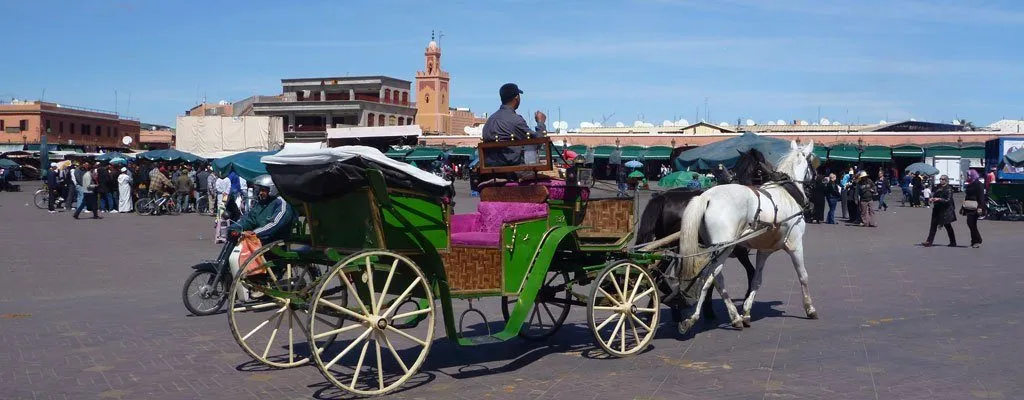
Is Morocco safe for tourists? Generally yes: Morocco is a popular, welcoming destination, and most visitors have trouble-free trips. The main risks are petty theft and persistent touts in the busiest medinas, road accidents and natural hazards such as flash floods in dry riverbeds; a private driver and licensed guides reduce most of them. Check your government’s current travel advice before you go, because conditions change.
Tourism is a major industry in Morocco, and visitors are generally treated with hospitality. Safety concerns are usually practical rather than dramatic: crowded souks, aggressive sales tactics, long mountain roads and desert heat. This guide covers what to expect and how to reduce the risks. It is not a substitute for official travel advice, which you should check close to your departure date.
Petty crime and common scams
Violent crime against tourists is uncommon. Petty theft occurs in crowded places such as Jemaa el-Fna and the busiest souks. Common situations to know about:
- Unofficial guides: young men who offer to show you the way, then ask for money. Politely decline or hire a licensed guide through your riad.
- “The road is closed”: someone tells you your route is blocked and offers to lead you through a shop. Ask your riad or check on a map.
- Taxis without a meter: agree a price first, or use the meter in petit taxis.
- Free gifts and henna: henna applied on your hand without asking is followed by a request for payment.
- Overpriced shops: agree prices before you accept tea or a demonstration.
A firm, polite “no, thank you” and a steady walk are usually enough.
Solo and female travelers
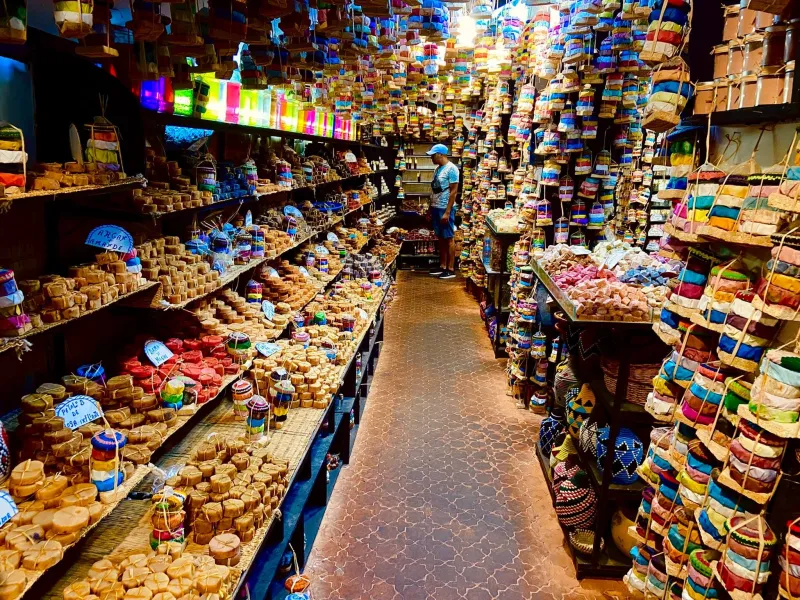
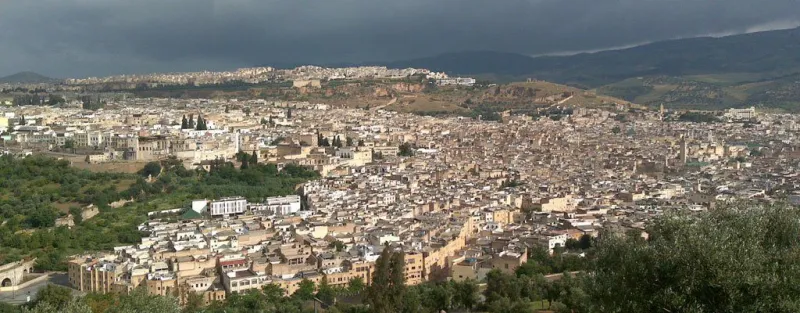
Many solo women travel in Morocco without problems, but verbal attention in the streets is common. Dress modestly (covered shoulders and knees is the norm), carry yourself confidently, avoid empty lanes at night, and stay in riads with good reviews. Hiring a licensed guide for your first day in a medina helps. A private driver removes most of the risks of transport.
LGBTQ+ travelers
Same-sex relations are criminalized in Morocco, so public displays of affection are not advised for any couple, and many LGBTQ+ travelers are discreet. Many have trouble-free trips, and private hotels and tours are usually respectful, but check your government’s advice and plan accordingly.
Road safety and the desert
- Roads over the High Atlas are winding; mountain passes can have snow in winter. Drive in daylight where you can.
- Desert pistes and dry riverbeds (wadis) can flood suddenly after rain; local drivers know the conditions.
- Heat in summer is dangerous inland: carry water and sun protection, and avoid midday walking.
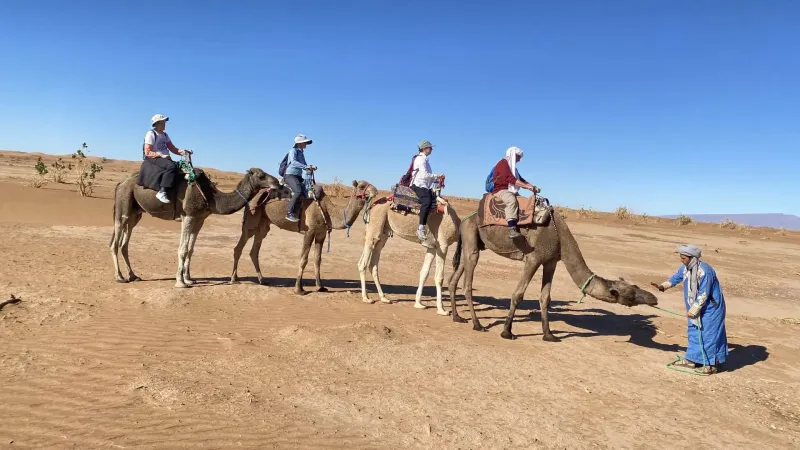
- Camel rides are led by guides on foot; sit in the saddle as instructed and avoid sudden movements.
Health
- Drink bottled water and avoid ice in small street stalls if you have a sensitive stomach.
- Eat at busy places with a high turnover of food.
- At altitude (Imlil, Toubkal) acclimatize and follow your guide’s advice.
- Carry travel insurance with medical evacuation, and a basic first-aid kit.
The 2023 earthquake and current conditions
A magnitude 6.8 earthquake struck the High Atlas on 8 September 2023, causing loss of life and damage in mountain villages south of Marrakech. Marrakech and the main tourist routes are open, and tourism is an important part of the recovery. Check the latest information for the area you plan to visit.
How our tours reduce the risks
- A private vehicle and a professional driver for the whole trip.
- Licensed local guides for city and monument visits.
- Hotels, riads and camps chosen and visited by the team.
- A briefing on arrival and a direct line to your contact during the trip.
Frequently asked questions
Is Marrakech safe at night?
Jemaa el-Fna and the main streets are busy and generally fine in the evening, but keep valuables close and avoid empty lanes. Your riad can advise a safe route back.
Is Morocco safe for solo female travelers?
Many solo women travel here without problems. Expect attention in the streets, dress modestly and use licensed guides and trusted accommodation.
Is tap water safe to drink?
Most visitors drink bottled water. We provide it in the vehicle every day.
Sources and further reading
Put it into practice
Tours that fit this guide

Family tours · From Marrakech
Private Morocco Tours for Families: 8 Day Family Trip
Marrakech · Essaouira · Agafay · Marrakech
- Short drives, never more than 3.5 hours
- A camel ride and a night in a desert camp
- A cooking class and a beach day
Custom quoteView itinerary
Couples and honeymoon · From Marrakech
Luxury Morocco Tours with Private Driver: 7 Days, Riads and Coast
Marrakech · Essaouira · Agafay · Marrakech
- Palace riads in Marrakech and Essaouira
- A luxury camp in the Agafay desert
- No long drives: three hours at most
Custom quoteView itinerary

Multi-day tour · From Marrakech
10 Day Morocco Tour Package: Marrakech, Sahara and Essaouira
Marrakech · Aït Benhaddou · Dadès Gorge · Merzouga · … · Essaouira
- Round trip from Marrakech
- Two nights in the Sahara
- Essaouira to finish at the coast
Custom quoteView itinerary